

How to Tell if a House Has Hidden Problems Before You Buy
When buyers walk into a home for the first time, most of their attention naturally goes to the obvious things. They notice whether the kitchen looks updated, whether the home feels clean, whether the design matches their taste, and whether the overall presentation feels inviting.
That is completely normal.
But an experienced Realtor is often looking at something very different.
A home can look beautiful on the surface and still have serious hidden problems underneath. In many cases, the warning signs are subtle. They may not stand out to a buyer during a first showing, but to someone with experience, those small details can point to larger technical, structural, or even legal concerns.
That is why buying a home is not only about finding a property you love. It is also about identifying potential risks as early as possible, ideally before you write an offer or put down your deposit.
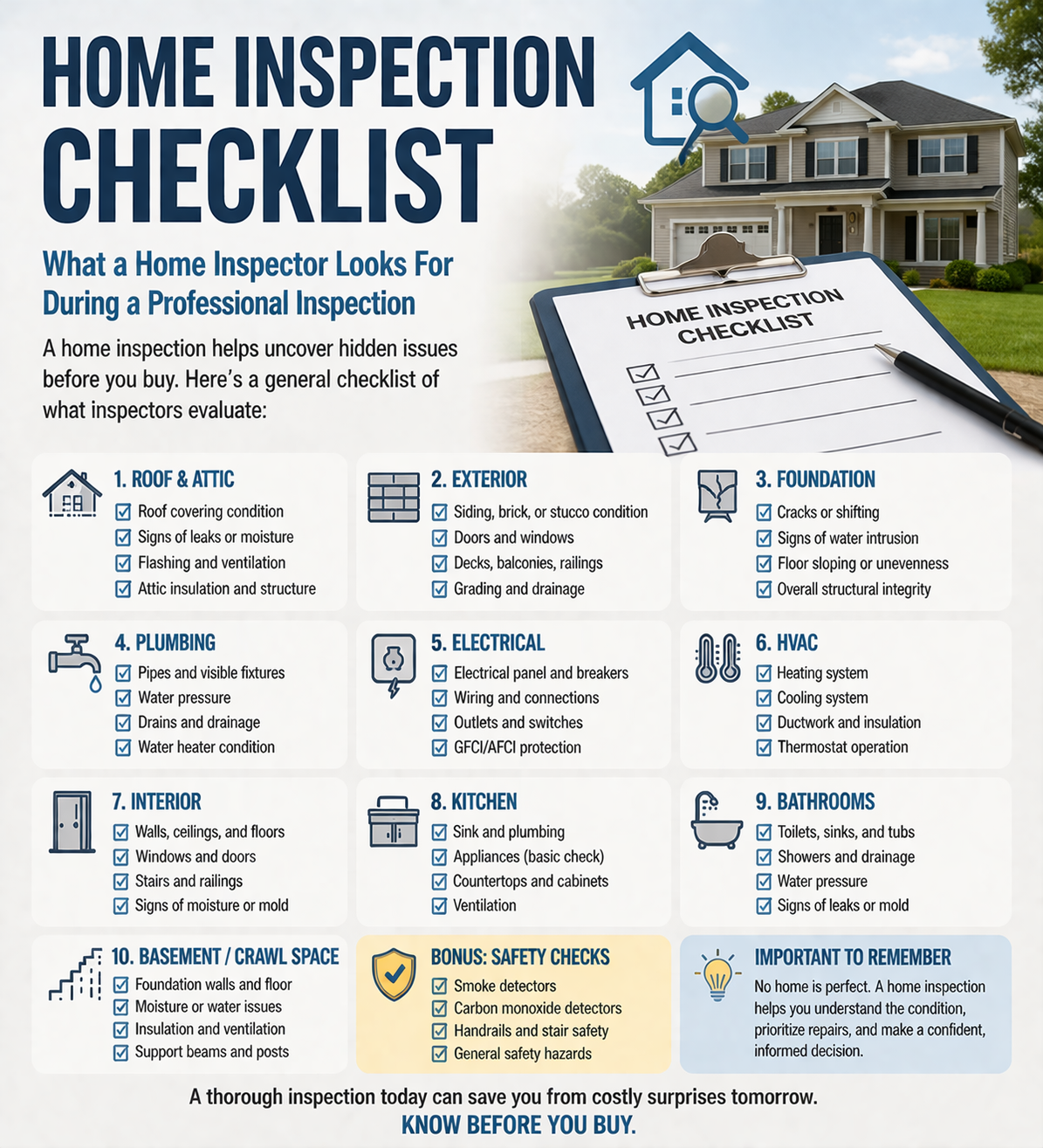
Below are some of the small warning signs that can suggest a house may have hidden issues.
Uneven Paint or Odd Wall Texture
A fresh coat of paint does not automatically mean something is wrong. But when certain parts of a wall look slightly shinier, uneven, patched, or raised under the light, it can be a red flag.
This is especially worth noting if the patched areas are located near bathrooms, the roofline, windows, or the base of the home. In some cases, these areas may be hiding signs of past water intrusion, plumbing leaks behind the wall, or temporary cosmetic repairs meant to cover underlying damage.
A home may look clean and refreshed, but the finish can sometimes reveal where a problem once existed or where one may still be active.
Doors That Stick or Do Not Close Smoothly
One of the simplest ways to get clues about a home’s condition is to pay attention to the doors.
If interior doors, bedroom doors, or closet doors feel slightly off, drag on the frame, or do not close properly, that may point to movement in the structure. Homes with stable foundations typically have doors that open and close smoothly. When multiple doors throughout the property feel misaligned, that is something worth taking seriously.
On its own, one sticking door may not mean much. But when the pattern appears throughout the house, it can suggest settlement or foundation-related movement.
A Slight Musty Smell in Closed Areas
Some problems are not visible right away. Sometimes, you can smell them first.
If there is a light musty or damp odor in enclosed spaces such as closets, laundry areas, under sinks, or corners with poor airflow, that may suggest hidden moisture issues. This can be caused by slow plumbing leaks behind walls, trapped moisture under flooring, poor ventilation, or older HVAC systems that are no longer circulating air properly.
Even if the smell is subtle, it is often worth paying attention to. Moisture-related problems can become expensive if they have been left unresolved for a long time.
Floors That Feel Soft, Uneven, or Unstable
A floor should feel solid underfoot. If it feels slightly soft, uneven, bouncy, or sloped in certain areas, that can be a sign of deeper concerns.
This is sometimes seen in homes where flooring was installed over a poorly prepared surface or where moisture has affected the materials underneath. In kitchens, hallways, and other high-traffic areas, bubbling tile, lifted flooring, or hollow-feeling spots can point to subfloor damage, shifting surfaces, or waterproofing issues that were not properly addressed.
Small movement underfoot can be easy to dismiss, but it can also be an early warning sign of a bigger repair issue.
Unusual Electrical Layout or Exposed Wiring
Electrical details can say a lot about how a home was maintained or modified.
If a room addition has oddly placed outlets, visible wiring along the wall, or electrical work that looks temporary or inconsistent, it may suggest unpermitted work. This is especially important when a home appears to have added living space, enclosed patios, converted garages, or other modifications that do not match standard construction patterns.
Unpermitted work can create problems not only during inspections, but also later when refinancing or reselling the property. In some cases, it can affect safety, insurance, and the buyer’s long-term options.
Missing or Vague Seller Disclosures
Sometimes the issue is not what is disclosed, but what is missing.
A home may be beautifully staged, spotless, and presented with great lighting and photography. But when the seller disclosures contain very little detail, fail to mention prior repairs, or seem unusually vague, that should raise questions.
Experienced agents know that a lack of information is not always a good sign. In some cases, it means the buyer needs to dig deeper into the property history, prior transactions, permits, repair records, and any additional reports that should be requested before moving forward.
The less information there is, the more important it becomes to verify what may not be immediately visible.
Listing Photos That Avoid Certain Angles
The photos used in a listing can sometimes reveal just as much by what they leave out.
A professional listing usually includes a complete visual story of the home, from the front exterior to the backyard and surrounding areas. When those images are missing, buyers should take notice.
If there is no clear front exterior photo, no view of the neighboring homes, or no angle showing what is behind the property, it may be intentional. In some cases, the home may be located next to a busy street, a gas station, power lines, noisy surroundings, or neighboring properties that affect privacy or livability.
Photos are meant to highlight the home’s best features, but omissions can also suggest areas the seller would prefer buyers not focus on too early.
Why Experience Matters When Touring Homes
The truth is, buyers should absolutely pay attention to the parts of a home they enjoy. Layout, design, natural light, and overall feel all matter. But emotional connection should never replace careful analysis.
A beautiful home is not always a safe purchase.
That is one of the most important reasons to work with a Realtor who knows how to look beyond the staging, the paint color, and the first impression. Spotting concerns early can help buyers avoid costly surprises, negotiate more effectively, and make decisions with greater confidence.
Buying a home is not just an emotional decision. It is also a financial and strategic one. The more risks you identify before writing an offer, the more protected you are before moving forward.

Final Thoughts
Some of the biggest home-buying risks do not appear in obvious ways. They show up in small inconsistencies, subtle signs, and details that are easy to overlook unless you know what to watch for.
That is why buyers should never rely only on appearance when evaluating a home. A property can be clean, stylish, and beautifully staged while still hiding issues that may lead to major expenses later.
Before falling in love with a house, take the time to look deeper.
If you are preparing to tour homes in Orange County, do not just focus on the layout and paint colors. Make sure you have someone with you who can help identify warning signs early, ask the right questions, and protect your interests before you commit.
A home may look beautiful, but that does not always mean it is the right home to buy.
What is the first thing you pay attention to when you walk into a house for a showing?
Contact
Phat Phan (Paul Phan)
Maison by Phan | Frontier Realty
DRE#: 02226917
Call/Text: 714-717-8088
Email: Paul@maisonbyphan.com
